Skin Laser
Laser Skin Tag, Wart & Mole Removal
A doctor's examination first, then a precise in-clinic removal.
A doctor's examination first, then a precise in-clinic removal.
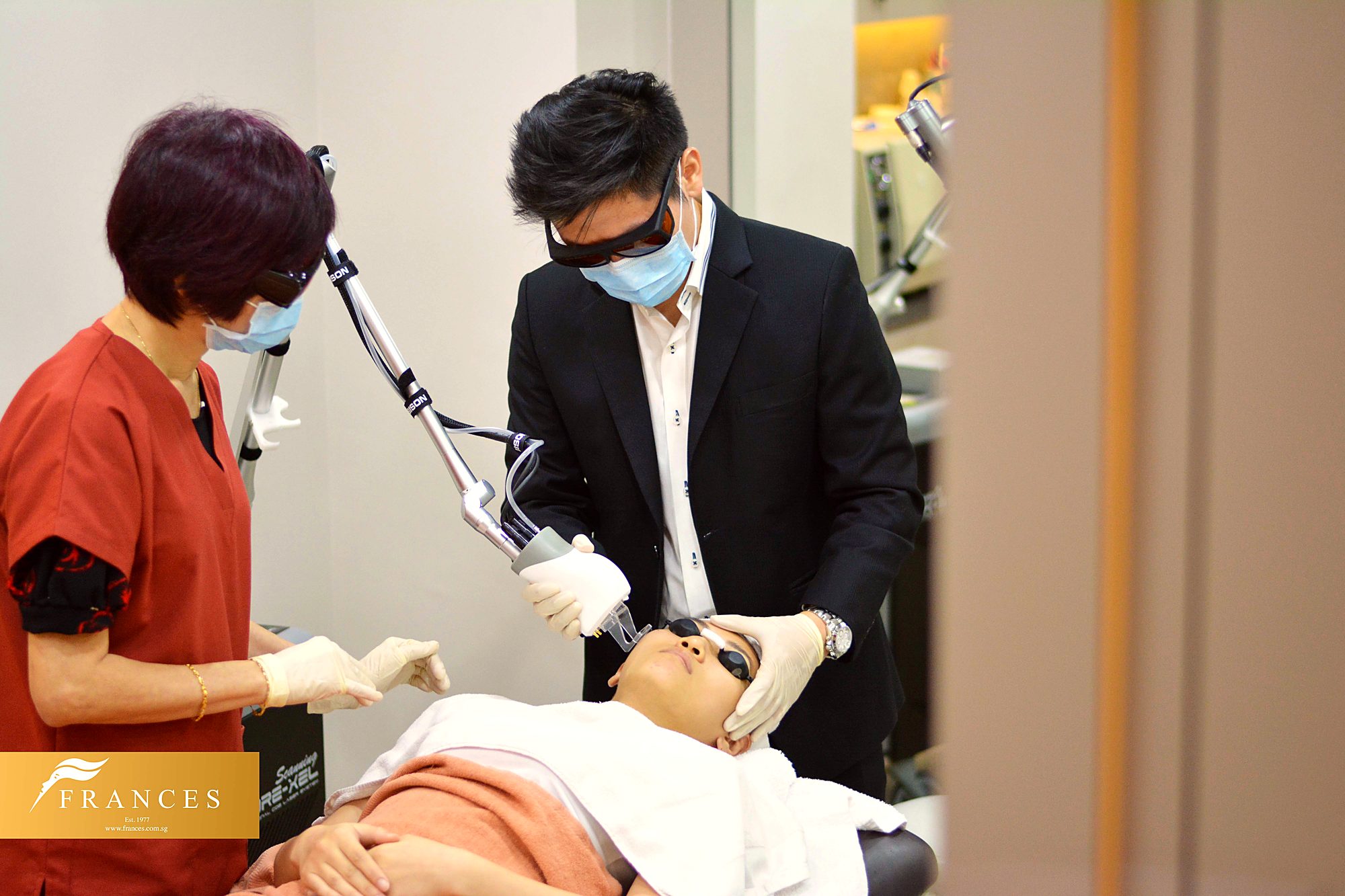
Every lesion is different, so treatment always begins with Dr Gerald Tan examining the skin tag, wart or mole in question. This examination determines whether the lesion is suitable for straightforward laser removal — if anything about its appearance is atypical, it is referred for further investigation rather than removed in the same visit. This assessment step is a safety measure, not a formality.
Where a lesion is assessed as suitable, laser ablation is used to remove benign skin tags, warts or moles in a quick in-clinic procedure, with minor scabbing as the area heals.
Dr Gerald Tan first examines each lesion individually, checking its appearance, history and characteristics. Suitability for straightforward removal is assessed at this stage — this is an important safety step, and anything atypical is referred for further investigation rather than removed. Where laser removal is appropriate, the lesion is ablated precisely using laser energy, in a quick in-clinic procedure performed under local numbing where needed.
Small, benign growths commonly found on the neck, underarms or eyelids.
Benign lesions assessed by the doctor as suitable for laser removal.
Moles examined and confirmed as benign before any removal is considered.
Patients who want a lesion looked at by a doctor before deciding on removal.
The treated area may look slightly pink with minor scabbing beginning to form.
Scabbing typically continues to heal over about a week; keeping the area clean and protected is generally advised.
Most patients see the area settle and heal fully, though healing time can vary by lesion type and location.
Book a consultation with Dr Gerald Tan to have your skin tag, wart or mole examined.
Book a ConsultationDisclaimer: Individual results and healing may vary. All lesions are examined and treatment is assessed by a doctor before proceeding; lesions with atypical features are referred for further investigation rather than removed. This page is for general education and is not a substitute for medical advice.